



The promise of Web3 was a decentralized, trustless, and permissionless digital future. It envisioned a world where power and control are distributed, not centralized in the hands of a few tech giants or financial institutions. Built on the revolutionary foundation of blockchain technology, Web3 aimed to give users true ownership of their data and digital assets, creating a new economic paradigm. However, as this nascent ecosystem has grown in size and complexity, it has collided head-on with an old and unyielding force: the traditional legal system. The resulting clash has ignited a wave of lawsuits and regulatory actions that are shaking the crypto world to its core.
This legal reckoning is not a setback but a necessary and inevitable step in the maturation of a transformative technology. The core conflict lies in a fundamental incompatibility: a decentralized, global, and code-based system is being judged by a centralized, nation-state-based, and human-interpreted legal framework. The outcome of these legal battles will not just determine the fate of individual projects; they will set the precedents that will either enable Web3’s promise to be fulfilled or force it to conform to the very structures it sought to dismantle. This article will provide a comprehensive guide to the major legal battlefronts, the strategic implications for the entire Web3 ecosystem, and the path forward for building a bridge between innovation and regulation.
The Fundamental Conflict

The legal system as we know it is built on concepts like jurisdiction, corporate entities, and human accountability. Web3, by design, challenges all of these.
- Decentralization vs. Centralized Authority: The core premise of Web3 is the absence of a central authority. A decentralized autonomous organization (DAO), for example, is governed by its code and its token holders, not a CEO or a board of directors. When a DAO’s smart contract is exploited or an investor is defrauded, whom does a court sue? This fundamental lack of a centralized entity makes it incredibly difficult to apply traditional legal concepts of liability and governance.
- Code as Law vs. Human-Interpreted Law: In the Web3 world, the motto “code is law” signifies a belief that smart contracts and blockchain protocols should govern themselves, without the need for human intervention or legal interpretation. However, real-world legal systems are built on human-interpreted laws that can be flexible, nuanced, and applied with discretion. When the code’s outcome clashes with a legal principle—such as consumer protection or fraud—which one prevails?
- Anonymity vs. Accountability: While the blockchain is a public ledger, the identity of its users can be pseudonymous. This partial anonymity is a feature that protects user privacy but also creates a major challenge for law enforcement and regulators trying to track down malicious actors. The tension between an individual’s right to privacy and the public’s right to protection from crime is a key source of legal conflict.
Major Legal Battlefronts in the Crypto Space
The collision of Web3 with the traditional legal system is manifesting in a series of high-stakes lawsuits and regulatory actions across several key fronts.
A. The Securities Law Quagmire:
This is, without a doubt, the most significant legal battle in the crypto world. Regulators, particularly the U.S. Securities and Exchange Commission (SEC), have argued that many cryptocurrencies and NFTs are unregistered securities, subject to the same strict regulations as stocks and bonds.
- The Howey Test: The legal basis for this argument is the Howey Test, a U.S. Supreme Court precedent from 1946 that defines a security as an “investment of money in a common enterprise with a reasonable expectation of profits to be derived from the efforts of others.” Regulators contend that many crypto projects, particularly those that were sold to the public with promises of future returns driven by the efforts of a central team, perfectly fit this definition.
- Lawsuits Against Exchanges and Developers: The SEC has taken legal action against major cryptocurrency exchanges for allegedly operating as unregistered securities exchanges. It has also sued individual project founders and token issuers for conducting unregistered securities offerings. These cases are monumental, and their outcomes will create a powerful precedent for the entire industry, determining which assets can be sold to the public and under what conditions.
B. The DAO and Smart Contract Liability:
As Decentralized Autonomous Organizations (DAOs) become a popular governance model, the legal system is struggling to define their status.
- Legal Status of DAOs: Are DAOs legal entities, like corporations or partnerships? Or are they just a collection of code and individuals? This is a crucial question for liability. If a smart contract in a DAO is exploited and investors lose millions of dollars, who is legally responsible? The core team of developers who wrote the code? The token holders who voted on a proposal? The platform on which the DAO operates?
- Smart Contract Failure: A smart contract is a self-executing agreement with the terms written directly into code. But what happens when the code is buggy or contains a vulnerability? Current legal frameworks for contract law are not equipped to deal with “code failures” in the same way they handle human errors in a traditional agreement. Lawyers are exploring new concepts of “algorithmic liability” to address these failures.
C. Intellectual Property and NFT Disputes:
The NFT market, once seen as a digital playground for artists and collectors, has become a hotbed of intellectual property (IP) litigation.
- Copyright Infringement: Lawsuits have been filed against NFT creators for allegedly using copyrighted images, logos, and characters without permission. For example, a major fashion brand sued an artist for creating a collection of NFTs that used its trademarked imagery without authorization.
- Ownership Rights: A key legal question is what, exactly, an NFT holder owns. When you buy an NFT, do you own the underlying image, the copyright to that image, or just a token that points to a file? Lawsuits are seeking to clarify these ownership rights, which can vary wildly depending on the terms of the smart contract and the underlying license agreement.
D. Consumer Protection and Investor Fraud:
The crypto space has been rife with scams and fraudulent activities, from “rug pulls” where project founders disappear with investor funds to misleading promotions and market manipulation.
- Regulatory Enforcement: Governments and consumer protection agencies are using existing fraud statutes to go after these bad actors. However, tracking down anonymous scammers across decentralized networks is incredibly difficult, highlighting the need for better international cooperation and tools for on-chain analysis.
- Lack of Legal Recourse: For a defrauded investor, getting their money back is a monumental challenge. Unlike traditional finance, where there are regulatory bodies to assist with investor protection and a clear legal process for asset recovery, the decentralized nature of Web3 often leaves victims with little to no legal recourse.
The Impact of the Lawsuits on the Web3 Ecosystem
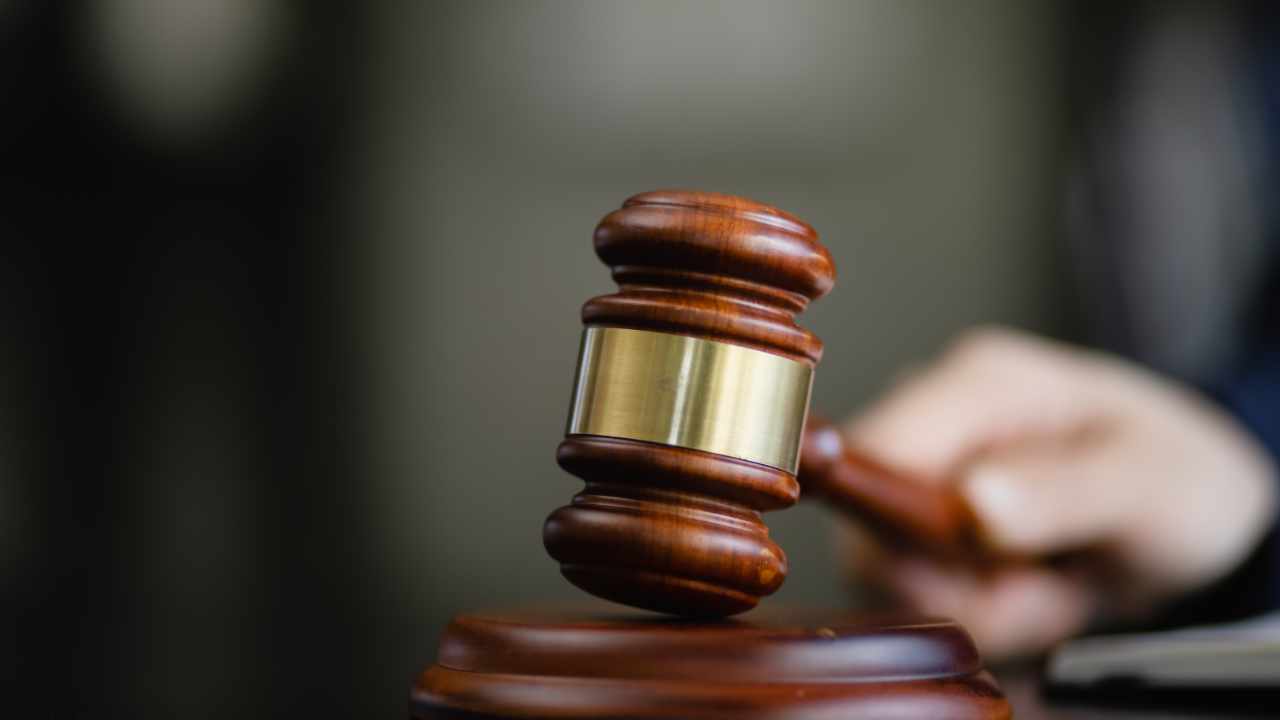
The legal shakeup is having a profound and multifaceted impact on the entire Web3 ecosystem, from the smallest startup to the largest exchange.
- The Chilling Effect on Innovation: The regulatory uncertainty has created a “chilling effect” on innovation. Many startups are hesitant to launch new tokens or decentralized services for fear of being classified as an unregistered security and facing a costly, prolonged legal battle. This fear of litigation is slowing down the very innovation that is key to Web3’s promise.
- Consolidation and De-risking: The legal pressure is forcing exchanges and other platforms to “de-list” tokens that are deemed risky. This leads to a consolidation of the market, as projects with less legal risk or larger legal teams gain an advantage. This runs counter to the decentralized ethos of the space.
- Investor and User Protection: From a regulatory perspective, the lawsuits are seen as a necessary step to protect everyday investors from fraud and manipulation. While painful for the industry, the legal battles are forcing it to mature and adopt better practices for investor communication, security, and transparency.
The Path to Legal Clarity
The Web3 ecosystem cannot thrive in a state of perpetual legal uncertainty. A path to legal clarity is essential for long-term growth and adoption. This will require a collaborative effort from all sides.
A. New Legislation and a Customized Framework:
Trying to apply antiquated securities laws to a new technology is a recipe for conflict. The solution may be new, purpose-built legislation that creates a clear, customized regulatory framework for digital assets. This framework could differentiate between cryptocurrencies used as currencies, those used as utilities, and those that are truly investments.
B. Regulatory “Sandboxes” and Pilot Programs:
Regulators can create “sandboxes” where Web3 companies can test their products in a controlled environment without the immediate risk of a lawsuit. This allows regulators to learn about the technology and its potential while giving innovators a clear path to compliance.
C. Industry Self-Governance and Best Practices:
The Web3 community must take a greater role in self-governance. This involves developing and enforcing industry-wide standards for security, transparency, and consumer protection. By demonstrating a commitment to responsible practices, the industry can build trust and make the case for a lighter regulatory touch.
Conclusion
The legal shakeup of the Web3 and crypto world is a defining moment, a necessary reckoning that will determine the future of this transformative technology. The lawsuits, from the battle over securities to the disputes over NFT ownership, are not just about a few companies or a few tokens; they are about the fundamental principles of a new digital economy. They are forcing a critical conversation about the balance between innovation and regulation, decentralization and accountability, and anonymity and security.
For the Web3 community, this is a painful but essential process. It is a moment of truth that will separate the truly revolutionary and resilient projects from the hype and speculation. The outcome will be a more mature, robust, and legally sound ecosystem that can attract institutional investment and, more importantly, the trust of the general public. For regulators, the challenge is to create a legal framework that is flexible enough to accommodate the rapid pace of innovation without compromising on core principles of consumer protection. The winners of this legal war will not be a single company or a single government, but the collaborative effort that finds a way to bridge the gap between the decentralized promise of Web3 and the practical realities of the legal world. The future of a decentralized and open internet depends on it.









Discussion about this post