


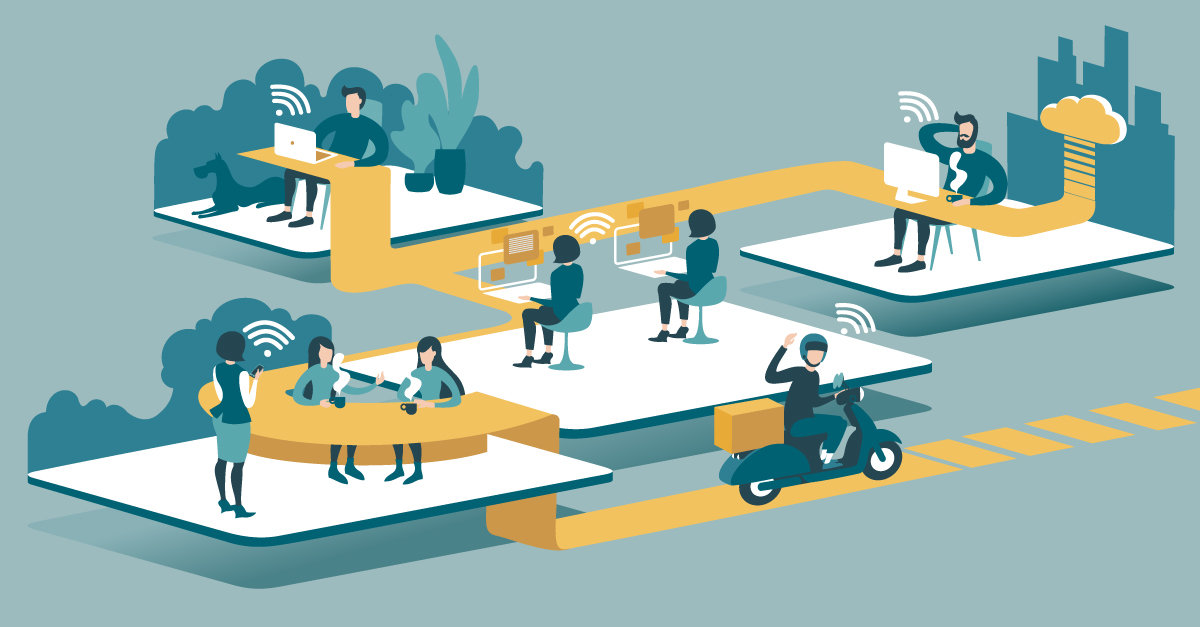
The gig economy, a marketplace defined by flexible, short-term, and project-based work, has exploded in popularity over the last decade. Fueled by technology platforms that seamlessly connect workers with consumers, it has created a new class of labor that includes ride-share drivers, food delivery couriers, freelance designers, and remote software developers. This model has brought unprecedented flexibility to millions, offering a way to earn income outside of the traditional 9-to-5 job and providing a crucial safety net for many during economic downturns. However, this same flexibility comes at a significant cost: the erosion of the traditional social safety net and the fundamental protections afforded to employees.
Gig workers are typically classified as independent contractors, a legal designation that leaves them without access to a minimum wage, overtime pay, health insurance, paid leave, or protection from discrimination. This creates a precarious and often unpredictable work environment, raising urgent questions about fairness, security, and the future of labor laws. The conflict over gig worker protections is a global one, pitting powerful tech companies against labor activists, regulators, and the workers themselves. The outcome of this battle will not only redefine the gig economy but will also shape the very nature of work for generations to come. This article will explore the core challenges facing gig workers, the diverse global approaches to solving this issue, and the innovative models that are emerging to build a more equitable future of work.
The Gig Economy Explained

The gig economy is a labor market characterized by the prevalence of short-term contracts or freelance work, as opposed to permanent jobs. It is not an entirely new concept; freelancers, consultants, and contractors have existed for decades. What makes the modern gig economy unique is its reliance on digital platforms that act as intermediaries, efficiently matching supply and demand for labor in real-time. This model has several key characteristics:
- Flexibility and Autonomy: Workers have the freedom to choose when, where, and for whom they work. There is no set schedule or direct supervisor in the traditional sense.
- Algorithmic Management: Decisions about task allocation, pricing, and performance reviews are often made by algorithms, not by human managers. This creates a system that is efficient but can also be opaque and difficult to challenge.
- Independent Contractor Status: The vast majority of gig workers are legally classified as independent contractors. This means they are seen as small business owners, responsible for their own taxes, business expenses, and benefits.
This classification is the central point of contention. While it grants platforms freedom from labor laws and associated costs, it leaves workers without the fundamental protections that have been standard for a century.
The Core Challenges for Gig Workers
The lack of an employer-employee relationship creates a number of significant and well-documented challenges for the gig workforce.
A. Absence of a Social Safety Net: One of the most glaring issues is the lack of a social safety net. Gig workers are not eligible for traditional benefits like employer-sponsored health insurance, retirement contributions, or paid sick leave. A serious illness or injury can lead to a loss of income and a heavy financial burden. They also do not have access to unemployment benefits if demand for their services dries up, leaving them vulnerable during economic downturns.
B. Wage and Income Instability: Unlike traditional employees who receive a guaranteed minimum wage and predictable income, gig workers’ earnings can fluctuate wildly. Their income is determined by factors beyond their control, such as platform algorithms, market demand, and the number of active competitors. This unpredictability makes it difficult to budget, plan for the future, or secure loans for major purchases.
C. Vulnerability to Deactivation and Unfair Practices: Since gig workers are not employees, they are not protected by “just cause” termination laws. A platform can “deactivate” a worker’s account at any time, for any reason—or no reason at all. This lack of due process can be devastating for a worker who has come to rely on the platform for their livelihood. They also have little recourse against opaque algorithmic decisions that can affect their ratings, earnings, and access to work.
D. Workplace Safety and Liability: The question of who is responsible for a worker’s safety is particularly complex in the gig economy. For a delivery courier, an accident on the job can result in a serious injury with no access to workers’ compensation. While some platforms have started to offer limited accident insurance, it is often not a comprehensive or legally mandated solution, leaving many workers exposed to significant financial risk.
E. Lack of Collective Bargaining Rights: As independent contractors, gig workers are legally prohibited from forming traditional unions to negotiate for better wages, working conditions, or benefits. This leaves them with little collective power to push back against platform policies, further cementing the power imbalance between the company and the individual worker.
Global Approaches to Gig Worker Protections
The debate over gig worker rights has ignited legal and legislative action across the globe, with different countries and regions exploring a variety of solutions.
- The European Union’s Strategy: The EU has taken a strong stance on gig worker rights, with a proposed directive that would establish a “presumption of employment.” This means that if a platform exercises a certain degree of control over a worker (e.g., setting their pay, monitoring their performance, or restricting their ability to work for others), the worker would be presumed to be an employee. The burden of proof would then fall on the company to demonstrate that the worker is genuinely self-employed. This is a significant push that, if implemented, would fundamentally change the gig economy across the continent.
- The U.K.’s “Worker” Status: The United Kingdom has established a unique, third-category legal classification that sits between an “employee” and a “self-employed” person. This “worker” status grants certain rights, including a minimum wage, paid holiday leave, and protection from unlawful discrimination, but not all of the rights afforded to a full employee, such as paid sick leave or severance pay. This model has been a subject of ongoing legal challenges but provides a potential compromise.
- The California Model (AB5 and Prop 22): California has been at the center of the gig economy debate. Assembly Bill 5 (AB5) was a landmark law that aimed to reclassify many gig workers as employees, making them eligible for full benefits and protections. However, in response, major gig companies funded Proposition 22 (Prop 22), a ballot initiative that created an alternative, watered-down set of benefits for app-based drivers and delivery workers while explicitly keeping them classified as independent contractors. The outcome has been a complicated and ongoing legal battle that reflects the deep divisions on this issue.
- South Korea and Other Nations: Other countries are also developing their own frameworks. South Korea, for example, has established a legal definition for a new class of “platform workers” to ensure they are covered by employment insurance. This demonstrates a global movement toward creating new legal categories that reflect the realities of the modern gig economy.
Innovative Models and the Path Forward

The central problem of the gig economy is the outdated binary of “employee” versus “independent contractor.” The future of work may require new, innovative models that can bridge the gap between flexibility and security.
A. The Third-Category “Dependent Contractor”: Many legal experts and policymakers are arguing for a new legal classification, such as a “dependent contractor” or a “gig worker,” that recognizes the unique nature of platform work. This status would grant a core set of rights—such as a minimum earnings guarantee, access to dispute resolution, and limited benefits—without the full burden of an employer-employee relationship. This would provide a safety net while preserving the flexibility that workers value.
B. Portable Benefits Systems: A portable benefits system would allow benefits like health insurance, retirement funds, and paid time off to be tied to the worker, not to a specific platform. A third-party organization would manage these benefits, with contributions from platforms based on the worker’s earnings. This would ensure that workers can carry their benefits with them as they move between different platforms or projects.
C. Algorithmic Transparency and Due Process: With algorithms making key decisions about work assignments, pay, and deactivation, there is a clear need for greater transparency and due process. New regulations could mandate that platforms provide clear explanations for their decisions and establish fair, accessible channels for workers to appeal deactivation or unfair treatment. This would help to create a more equitable and trustworthy system.
D. The Rise of Gig Worker Collectives: While traditional unionization is legally difficult, gig workers are finding new ways to organize. The rise of worker collectives and advocacy groups is giving them a collective voice to negotiate with platforms and lobby for better protections. The future of labor organization in the gig economy may not look like a traditional union, but a new, agile form of collective bargaining that matches the nature of the work.
The Economic and Social Implications
The debate over gig worker protections is not just about the rights of a single group of workers; it has broad economic and social implications.
- Cost for Platforms and Consumers: Implementing worker protections would undoubtedly increase costs for gig platforms, which could be passed on to consumers in the form of higher prices. Platforms argue this would reduce demand for their services and stifle innovation.
- Economic Stability: Conversely, providing a social safety net and more stable income for a large segment of the population could lead to greater economic stability. Workers with access to health insurance and unemployment benefits are more likely to be productive, resilient, and active consumers, which benefits the broader economy.
- The Future of Innovation: The challenge for policymakers is to craft regulations that encourage innovation while also ensuring fairness. A framework that is too rigid could force platforms to abandon their flexible models. A framework that is too loose could lead to a race to the bottom in terms of wages and worker security.
Conclusion
The gig economy has fundamentally changed the way millions of people work, and the legal frameworks and social safety nets built for the 20th century are simply not equipped to handle this new reality. The ongoing global battle over gig worker protections is a reflection of a deeper societal conversation about the balance between economic flexibility and basic human security. The old binary of “employee” versus “independent contractor” is obsolete and no longer serves the needs of a modern workforce.
The path forward requires a new, innovative approach that acknowledges the unique nature of platform work while ensuring that dignity, security, and fairness are not left behind. The solutions will likely come from a combination of new legal classifications, creative benefits systems, and a push for greater transparency from the tech platforms themselves. This is not about rolling back the clock; it is about building a new framework for the future of work. The countries and companies that successfully navigate this challenge will be the ones that build a more equitable, resilient, and ultimately more prosperous society where the promise of a flexible work life is not undermined by the precarity of a life without a safety net. The future of work is here, and it is our collective responsibility to ensure it is one that works for everyone.





Discussion about this post