


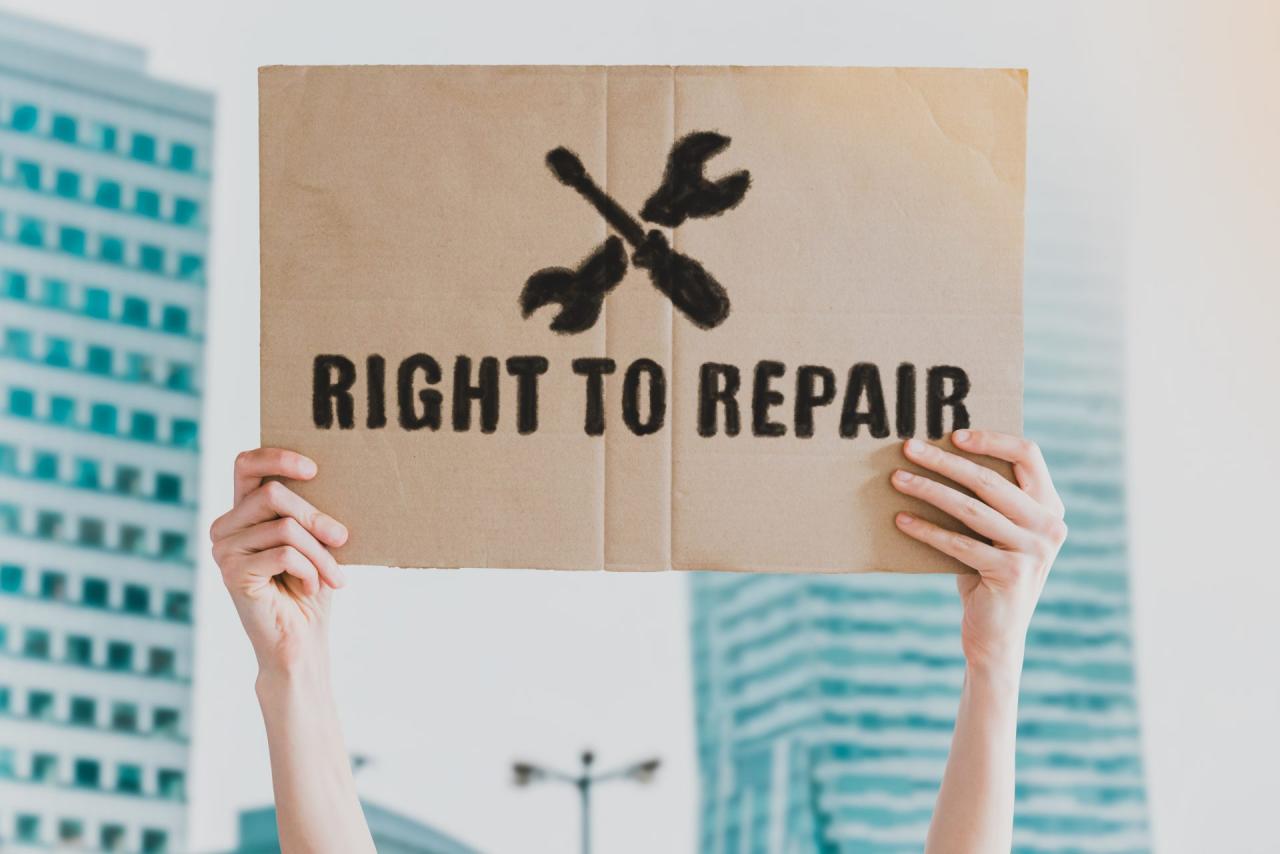
The modern world is built on a foundation of incredible technology, from the smartphones in our pockets to the tractors that feed our populations. But as these devices have become more sophisticated, they have also become more fragile and, paradoxically, less fixable. The era of the neighborhood repair shop is fading, replaced by a walled garden of manufacturer-controlled parts, proprietary tools, and software locks. When a device breaks, the consumer is often left with only one option: buy a new one. This reality has ignited a global consumer and environmental movement known as the Right-to-Repair, which is now at the heart of a fierce legal battle.
This movement is not just about the convenience of fixing a broken gadget; it is a fundamental challenge to the prevailing business model of planned obsolescence. It pits the rights of consumers and independent repair shops against the economic interests of powerful corporations that seek to maintain a monopoly over the repair of their products. The legal challenges are complex, touching on issues of consumer rights, intellectual property, environmental policy, and anti-competitive practices. The outcome of this battle will determine not only who can fix our technology but also the future of a more sustainable and equitable economy. This article will provide a comprehensive guide to the legal and economic arguments driving the Right-to-Repair movement, the landmark legislative and judicial actions around the world, and the profound implications of this fight for the future of consumption.
A Locked-Down World of Modern Tech
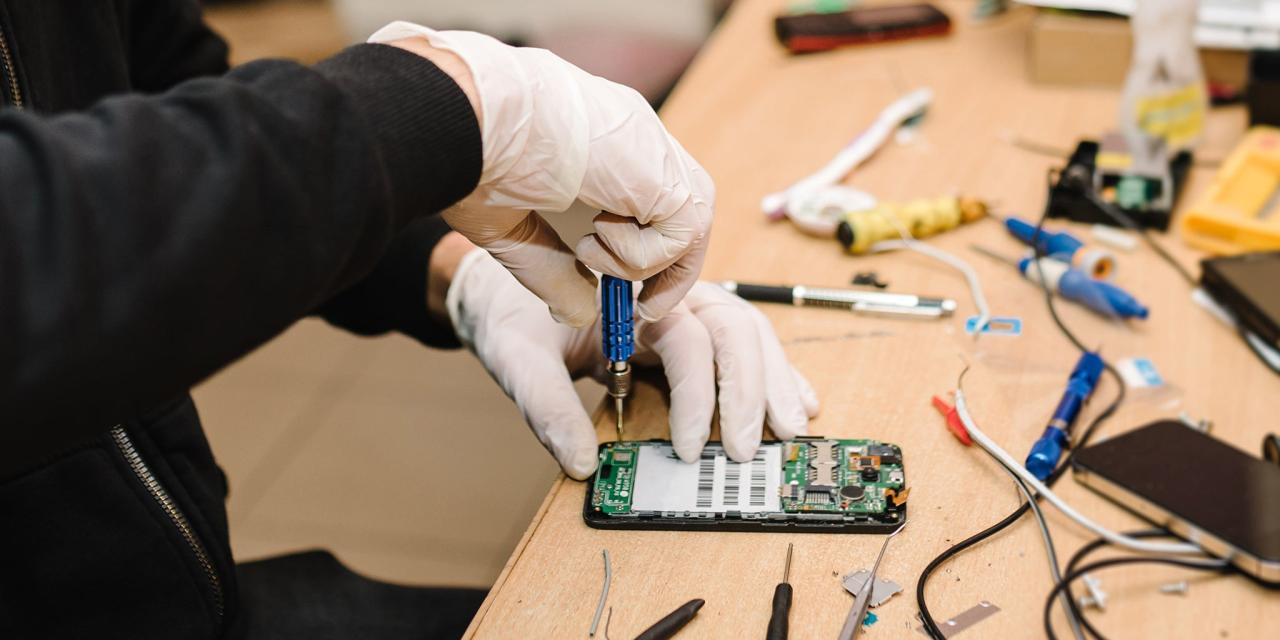
The roadblocks to repair are not accidental; they are a deliberate feature of modern product design and business strategy. Manufacturers have implemented a variety of tactics to make their products difficult, if not impossible, for consumers and independent repair technicians to fix.
- Proprietary Parts and Tools: Many manufacturers use custom screws, adhesives, and parts that are difficult or impossible to source outside of their authorized repair networks. This forces consumers to use the manufacturer’s own repair services, which are often more expensive and time-consuming.
- Software Locks and Digital Rights Management (DRM): In a world where every device is a computer, software is used to enforce repair monopolies. A common practice is for a device to “authenticate” a new part via a serial number or software check. If a part is not from the manufacturer, the device may refuse to work, even if the component is technically identical to the original. This is particularly prevalent in smartphones and medical devices.
- Refusal to Share Schematics and Manuals: Manufacturers often refuse to make repair manuals, diagnostic software, and technical schematics available to the public or to independent repair shops. This lack of information makes it a guessing game for technicians, making repairs inefficient and prone to error.
- Soldered and Glued Components: The physical design of many products is a major barrier to repair. Components like batteries, processors, and memory are often soldered directly onto the motherboard or secured with strong adhesives, making them difficult to replace without specialized and costly equipment.
This system creates a closed loop where manufacturers control the entire lifecycle of a product, from its initial sale to its eventual disposal. This “walled garden” approach is the core target of the Right-to-Repair movement.
The Key Legal and Economic Arguments
The legal battle over the Right-to-Repair is based on a set of powerful arguments that challenge the prevailing business model.
A. The Consumer Rights Argument:
The central tenet of the Right-to-Repair movement is the simple principle of ownership. If a consumer has purchased a product, they should have the right to do what they want with it, including fixing it themselves or having it repaired by a professional of their choice.
- Right to Modify and Repair: Legal arguments are centered on the idea that denying a consumer the ability to repair a product is a violation of their property rights. They contend that a manufacturer cannot sell a product and then dictate the terms of its use and repair after the sale is complete.
- Economic Freedom: This argument also extends to the economic freedom of independent repair businesses. By restricting access to parts and information, manufacturers are effectively creating a monopoly on repairs, putting thousands of small businesses at a disadvantage and raising prices for consumers.
B. The Environmental Argument:
The Right-to-Repair movement is a cornerstone of the broader environmental effort to reduce waste and promote a circular economy.
- Combating E-Waste: The inability to repair products is a primary driver of the global e-waste crisis. Billions of pounds of electronic waste are generated each year, much of which ends up in landfills, where it can leach toxic materials into the environment. By making products easier to fix, the Right-to-Repair movement aims to extend their lifespan and reduce the amount of waste generated.
- Reducing Carbon Footprint: Manufacturing a new product requires a significant amount of energy and raw materials. By extending the life of existing products through repair, we can reduce the carbon footprint associated with new production. This makes the Right-to-Repair a critical component of climate action.
C. The Anti-Competitive and Monopolistic Argument:
The legal battle also centers on anti-trust and anti-competitive practices. By creating a monopoly on parts, tools, and information, manufacturers are stifling competition in the repair market.
- Consumer Lock-in: When a consumer buys a product from a manufacturer, they are effectively “locked in” to that brand’s repair network. This lack of competition allows manufacturers to charge inflated prices for repairs and replacement parts, harming consumers and eliminating a competitive market.
D. The Manufacturer’s Counterarguments:
Manufacturers have pushed back against the Right-to-Repair movement with a number of legal and economic arguments of their own.
- Intellectual Property and Trade Secrets: Manufacturers argue that repair manuals, diagnostic software, and schematics are valuable intellectual property and trade secrets that they have a right to protect. They contend that releasing this information to the public would undermine their ability to innovate and compete.
- Safety and Quality Control: Manufacturers argue that allowing unauthorized repairs could compromise the safety of their products. They contend that only trained and certified technicians should be allowed to repair complex devices to ensure that they function correctly and do not pose a risk to the consumer.
- Warranty Voidance: A common practice is for manufacturers to void a product’s warranty if it has been opened or repaired by an unauthorized party. This serves as a powerful deterrent for consumers who might otherwise consider an independent repair.
Legal and Legislative Actions Around the World
The legal battle for the Right-to-Repair is being fought on a global scale, with different countries and regions taking a variety of legislative and judicial approaches.
- The European Union’s Framework: The EU is a global leader in the Right-to-Repair movement. It has implemented a comprehensive legal framework that requires manufacturers of certain products (e.g., TVs, refrigerators, washing machines) to make spare parts and repair manuals available to independent repairers for a period of up to ten years after a product is sold. This is a significant step towards creating a circular economy and has served as a model for other countries.
- The U.S. State and Federal Efforts: In the U.S., the movement has largely been driven by state-level efforts. States like New York have passed landmark Right-to-Repair laws that require manufacturers to provide parts, tools, and manuals to independent repair shops. This has created a patchwork of laws across the country, but the momentum is building. The Federal Trade Commission (FTC) has also taken action, issuing a report that found manufacturers were using monopolistic practices to restrict repair and has vowed to take a more aggressive stance on the issue.
- The United Kingdom and Australia’s Laws: The U.K. has implemented new laws that require manufacturers to make spare parts available to professional repairers for a range of products. Australia has also passed similar laws, demonstrating a global trend toward mandating access to repair resources.
- The U.S. Executive Order: In 2021, the U.S. President signed an executive order directing the FTC to enforce Right-to-Repair rules, particularly in industries like agriculture and medical devices. This was a significant step that brought federal attention and support to the movement.
Landmark Legal Battles and Court Cases
The legal principles of the Right-to-Repair movement are being tested in courtrooms around the world, with landmark cases setting important precedents.
- The John Deere Tractor Lawsuits: The agriculture industry has been at the forefront of the Right-to-Repair debate. Farmers, who rely on their equipment to earn a living, have been frustrated by the inability to fix their own tractors due to complex software locks and proprietary parts. A series of class-action lawsuits have been filed against agricultural equipment manufacturers, alleging that their repair monopolies are anti-competitive and violate anti-trust laws. These lawsuits are highlighting the need for legal solutions that address the specific needs of a highly technical and specialized industry.
- The Medical Device Repair Fight: In the medical industry, the Right-to-Repair debate has a life-or-death dimension. Independent repair shops argue that manufacturers of medical devices are making it difficult for them to access the parts and manuals needed to fix crucial equipment like ventilators and MRI machines. This creates a legal conflict between patient safety and the economic interests of manufacturers, with lawsuits being filed to force manufacturers to open up their repair networks.
The Future of Right-to-Repair
The legal battle for the Right-to-Repair is a symptom of a larger cultural and economic shift. The future of the movement will likely be defined by a combination of new laws, technological innovations, and a fundamental change in how we think about the products we own.
- Open-Source Hardware and Modular Design: As the movement gains momentum, a new trend in product design is emerging. Companies are beginning to design products with modular components that are easy to replace and repair. The open-source hardware community is also creating products with publicly available schematics and manuals, providing a new model for a repairable future.
- A Cultural Shift: The Right-to-Repair movement is not just a legal battle; it is a cultural shift. As more consumers become aware of the environmental impact of their purchases and the need to extend the life of their products, they will demand that manufacturers design for repairability. This shift in consumer behavior will be a powerful driver of change.
- The New Business Model: The future may see a new business model where profitability is not based on planned obsolescence but on providing high-quality repair services, subscription-based maintenance, and easy access to parts and information. This would create a new economic ecosystem that rewards durability and longevity rather than disposability.
Conclusion
The Right-to-Repair movement is a critical and necessary legal battle that is redefining the relationship between consumers and corporations. The legal challenges are not just about a single gadget or a single industry; they are about a fundamental shift from a linear, “take, make, dispose” economy to a circular one that prioritizes durability, sustainability, and efficiency. The legal victories and legislative actions around the world are sending a clear message to manufacturers that the era of closed ecosystems and planned obsolescence is coming to an end.
The road ahead is long and complex, but the momentum is undeniable. The legal principles being forged in this battle—from the right to own to the right to repair—are the building blocks of a more equitable and sustainable future. The companies that embrace this change, and the governments that pass laws to support it, will not only gain a competitive advantage but will also be the leaders in building a more resilient economy where products are designed to last, and where the act of fixing something is seen not as a liability but as a cornerstone of a better world. The fight for the Right-to-Repair is a fight for a future where our technology serves us, and not the other way around.










Discussion about this post