



The development of CRISPR-Cas9, a gene-editing tool often described as a pair of “molecular scissors,” stands as one of the most significant scientific breakthroughs of the 21st century. It has the unprecedented potential to cure genetic diseases, create new forms of medicine, and revolutionize agriculture by precisely editing the DNA of any living organism. But as the technology moves from the laboratory to the clinic, its future hangs in the balance, entangled in a complex and high-stakes legal battle over its foundational patents. This legal tug-of-war is not just a fight over money; it is a critical conflict that will determine who has the right to use, develop, and commercialize this transformative technology.
The patent disputes surrounding CRISPR-Cas9 have created an intricate web of intellectual property rights, legal uncertainties, and ethical dilemmas that threaten to stifle innovation and limit public access. The outcome of these legal battles will shape the future of medicine, agricultural science, and biological research for decades to come. This article will provide a comprehensive guide to the science behind CRISPR, the landmark patent disputes that have defined its legal landscape, the key battlefronts that are now emerging, and the path forward for building a legal framework that balances the need for intellectual property protection with the imperative of a public good.
What is CRISPR?
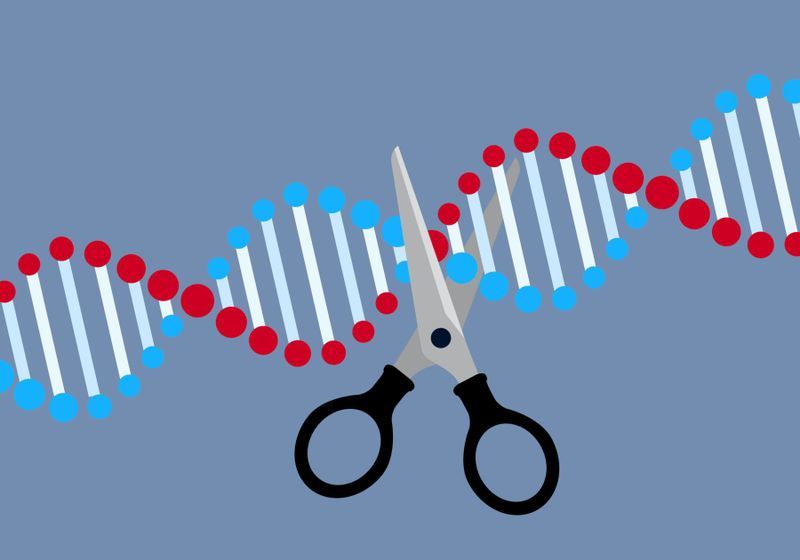
To understand the legal battles, one must first grasp the science behind CRISPR. CRISPR is an acronym for “Clustered Regularly Interspaced Short Palindromic Repeats.” It is a natural defense mechanism found in bacteria that allows them to “remember” and destroy viruses by using a protein, such as Cas9, to precisely cut the viral DNA.
In 2012, two brilliant scientists, Jennifer Doudna and Emmanuelle Charpentier, demonstrated that this bacterial defense system could be repurposed to edit the DNA of any organism. They showed that by guiding the Cas9 protein to a specific DNA sequence, it could be used to precisely cut, remove, or replace sections of genetic code. This discovery was groundbreaking because, unlike previous gene-editing tools, CRISPR-Cas9 was incredibly precise, efficient, and cheap. It transformed gene editing from a slow, cumbersome process into a fast and accessible tool, unlocking a world of new possibilities for scientific research and therapeutic applications.
The Foundational Patent Dispute
The legal saga of CRISPR began almost immediately after its scientific discovery, centered on a fierce patent dispute between two of the world’s leading research institutions: the University of California, Berkeley (UC Berkeley) and the Broad Institute of MIT and Harvard (the Broad Institute). This battle is a classic “first to invent” conflict that has had a profound impact on the entire field.
- UC Berkeley’s Claim: Led by Jennifer Doudna and Emmanuelle Charpentier, UC Berkeley filed its foundational patent application in 2012, claiming the use of CRISPR-Cas9 in a broad range of contexts, including in vitro (in a test tube) and in both prokaryotic (bacterial) and eukaryotic (plant and animal) cells. Their claim was based on their seminal 2012 paper that showed the system could work.
- The Broad Institute’s Claim: The Broad Institute’s team, led by Feng Zhang, filed their patent application in 2012, but with a different focus. Their patents specifically claimed the use of the CRISPR-Cas9 system in eukaryotic cells, which includes human cells. They successfully demonstrated that the system could be used in mammalian cells, a crucial step for therapeutic applications.
- The Legal Tug-of-War: The legal battle centered on a concept known as “interference proceedings” in the U.S. patent system. The key legal question was whether the Broad Institute’s invention—the use of CRISPR in eukaryotic cells—was an “obvious” extension of UC Berkeley’s work. The U.S. Patent and Trademark Office (USPTO) initially ruled in favor of the Broad Institute, stating that their work was not an obvious extension and was therefore a separate, patentable invention. This decision, however, has been the subject of multiple appeals and remands, creating a fragmented legal landscape where both institutions hold valuable, distinct patents.
This legal battle has not stopped the commercialization of the technology. Both institutions have aggressively licensed their patents, creating a complex and often overlapping “patent thicket” that companies must navigate.
Major Legal Battlefronts Beyond the Foundational Dispute
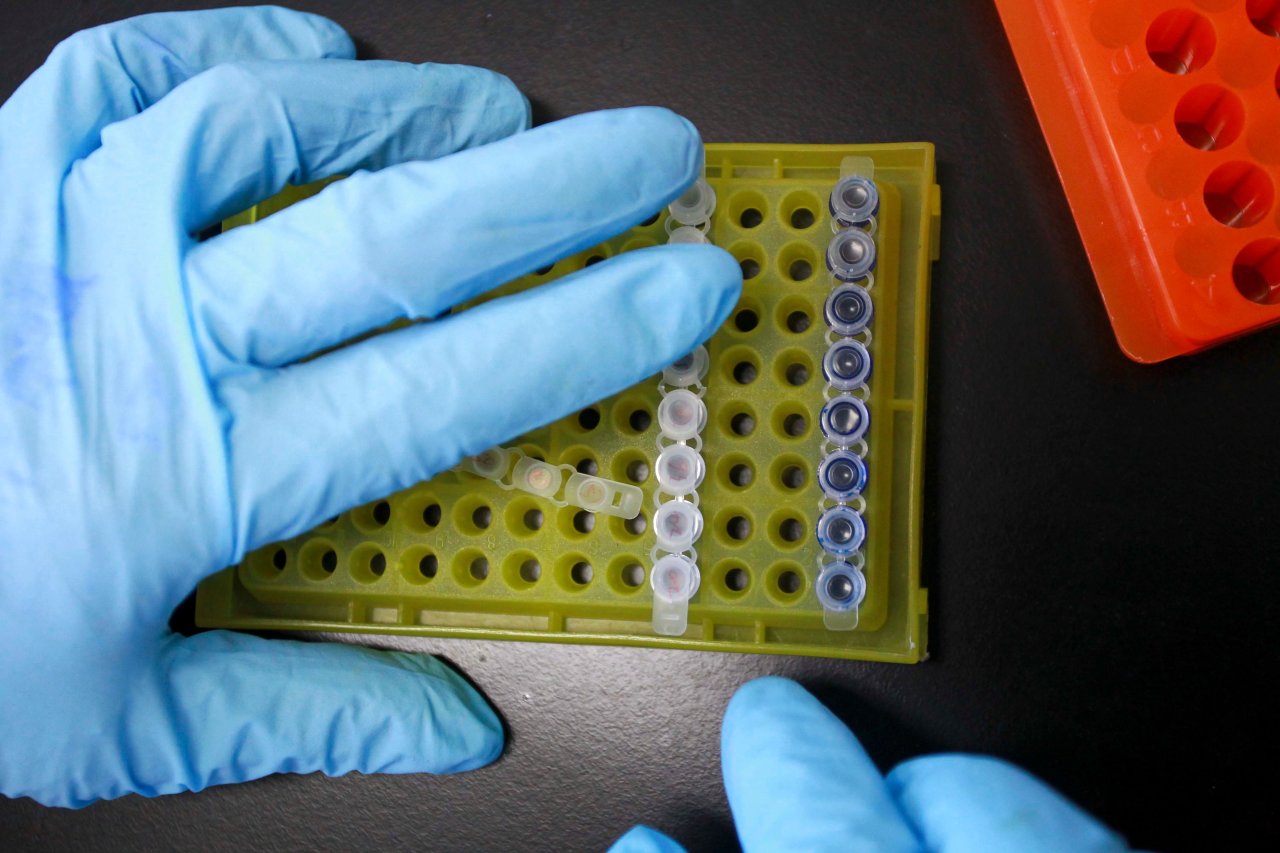
The CRISPR legal landscape extends far beyond the original dispute. New legal and ethical challenges are emerging that are reshaping the future of gene editing.
A. The Licensing and Commercialization Maze:
The patent disputes have created a complex and often confusing licensing environment. Companies and startups seeking to use CRISPR for commercial purposes often face the daunting task of securing licenses from multiple patent holders to avoid infringement.
- Patent Thickets: The overlapping patents from the Broad Institute, UC Berkeley, and other entities have created a “patent thicket” that makes it difficult and expensive for companies to get “freedom to operate.” This can slow down the development of new therapeutics and agricultural products, as companies must dedicate significant resources to legal and strategic planning.
- Negotiating Licensing Agreements: Companies must decide whether to sign non-exclusive licenses with multiple parties, or to seek exclusive licenses for a specific field, such as human therapeutics or agricultural products. The cost and complexity of these agreements can be a major barrier to entry, particularly for smaller biotech companies.
- Patent Pools: In response to the complexity, some have proposed a patent pool—an agreement between multiple patent holders to aggregate their patents and license them together to third parties. This could simplify access and lower transactional costs, making the technology more accessible for research and development.
B. Liability and Safety Concerns:
As CRISPR moves from the lab to clinical trials, new legal questions are emerging around patient safety and legal liability.
- Off-Target Edits: A major technical challenge for CRISPR is the potential for “off-target edits,” where the molecular scissors cut the DNA at the wrong location. This can lead to unintended mutations, which could cause unforeseen health complications. The legal question is who is liable if a patient is harmed by an off-target edit? Is it the scientist, the company that developed the therapeutic, or the doctor who administered it?
- Informed Consent: The legal and ethical complexities of gene editing in humans, particularly in human embryos, are unprecedented. Legal frameworks are needed to address issues of informed consent, ensuring that patients and parents fully understand the risks and benefits of a technology that can permanently alter their genetic code and potentially be passed down to future generations.
C. The Global CRISPR Patent Landscape and Regulatory Differences:
The legal battles are not limited to the U.S. Patent Office. The legal landscape is highly fragmented, with different countries and regions taking fundamentally different approaches to patent law and regulation.
- U.S. vs. Europe: While the U.S. uses a “first-to-invent” system for older patents, Europe uses a “first-to-file” system. This has led to different legal outcomes for the same inventions. The European Patent Office (EPO) has largely ruled in favor of UC Berkeley in the foundational patent dispute, creating a different legal landscape in Europe compared to the U.S.
- China’s Rise: China has become a major player in the CRISPR patent landscape, filing a significant number of patents. Its approach to intellectual property is different, and the country’s rapid advancement in gene-editing research is creating a new geopolitical dynamic in the field.
D. The Intellectual Property of Next-Generation CRISPR Systems:
The legal battles are already extending to the next generation of gene-editing tools. New technologies like CRISPR-Cas12, Base Editing, and Prime Editing are being developed that offer greater precision and efficiency.
- The “Improvement Patent” Challenge: The legal debate now is whether these next-generation systems are “obvious” improvements on the original CRISPR patents, or if they are separate, patentable inventions. The developers of these new systems are trying to build their own patent estates, adding to the complexity of the existing “patent thicket.”
The Future of CRISPR
The legal battles over CRISPR are far from over, but the path forward will likely involve a combination of legal innovation, technological collaboration, and a deep societal reckoning over the ethical implications of the technology.
- Toward a Global Legal Framework: The fragmented global landscape makes it difficult to conduct research and develop therapeutics on an international scale. There is a growing need for a new international legal framework that can harmonize patent laws and provide a clear, unified set of rules for the use of gene-editing technology.
- The Role of Open-Source and Patent Pools: The scientific community is pushing for a more open-source approach to CRISPR, with a greater emphasis on collaboration and data sharing. A patent pool, where all major patent holders agree to license their technology together, could be a key step towards making CRISPR more accessible for research and development.
- Ethical and Legal Dilemmas: The legal battles are a symptom of a deeper ethical debate over the use of CRISPR, particularly in humans. Legal systems will be forced to grapple with unprecedented questions about germline editing—the permanent alteration of human embryos—and the potential for a “genetic divide” where only the wealthy can afford genetic enhancements.
Conclusion
The legal battles over CRISPR patents are a reflection of a profound and necessary reckoning for one of the most powerful technologies in human history. They are forcing the legal system to confront the limits of its existing frameworks, to grapple with questions of invention, ownership, and responsibility that have no easy answers. The conflict is a microcosm of a larger societal debate over whether we will allow the promise of this technology to be held captive by a complex web of patents and legal disputes or whether we will find a way to make it a global public good.
The outcome of this legal struggle will have a monumental impact on the speed and direction of scientific progress. A solution that provides legal certainty and fair compensation for inventors, while also ensuring broad access for researchers and developers, will unlock CRISPR’s full potential to cure diseases, improve human health, and create a more sustainable world. A solution that prioritizes proprietary control and endless litigation will stifle innovation and limit the technology’s benefits to a select few. The future of medicine and biology depends on our ability to navigate this legal frontier with wisdom, foresight, and a commitment to balancing intellectual property with the imperative of a public good. The battle is far from over, but its resolution will determine whether the next great scientific revolution is a shared human triumph or a legal and ethical quagmire.








Discussion about this post