


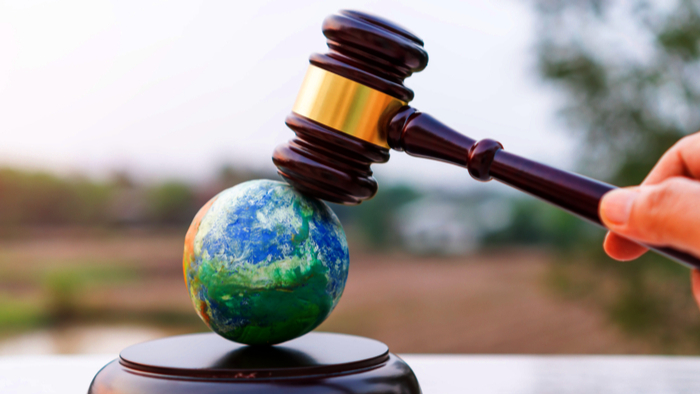
For decades, the global response to climate change has been defined by political negotiation and international treaties. Yet, despite the scientific consensus and countless summits, the collective action taken has proven tragically insufficient to meet the scale of the crisis. The world remains on a perilous trajectory, with greenhouse gas emissions continuing to rise and the consequences of global warming—from extreme weather events to rising sea levels—becoming a daily reality for millions. This gap between the scientific imperative and political inaction has fueled a new and powerful movement: climate litigation.
This new wave of lawsuits, filed against both governments and corporations, represents a fundamental shift in strategy. It is a move from the political arena to the courtroom, where activists, victims, and a new generation of legal experts are seeking to hold polluters and governments legally accountable for their contributions to the climate crisis. This is no longer just a fringe legal theory; it is a global phenomenon, with a growing body of precedent that is fundamentally reshaping environmental law. The outcomes of these legal battles will not only determine who pays for the damages of climate change but will also serve as a powerful tool for forcing a faster, more effective response to the defining challenge of our time. This article will provide a comprehensive guide to the legal theories driving this new wave, the landmark cases that have set important precedents, and the challenges and future of using the law as a weapon against climate change.
The Shift From Politics to the Courtroom
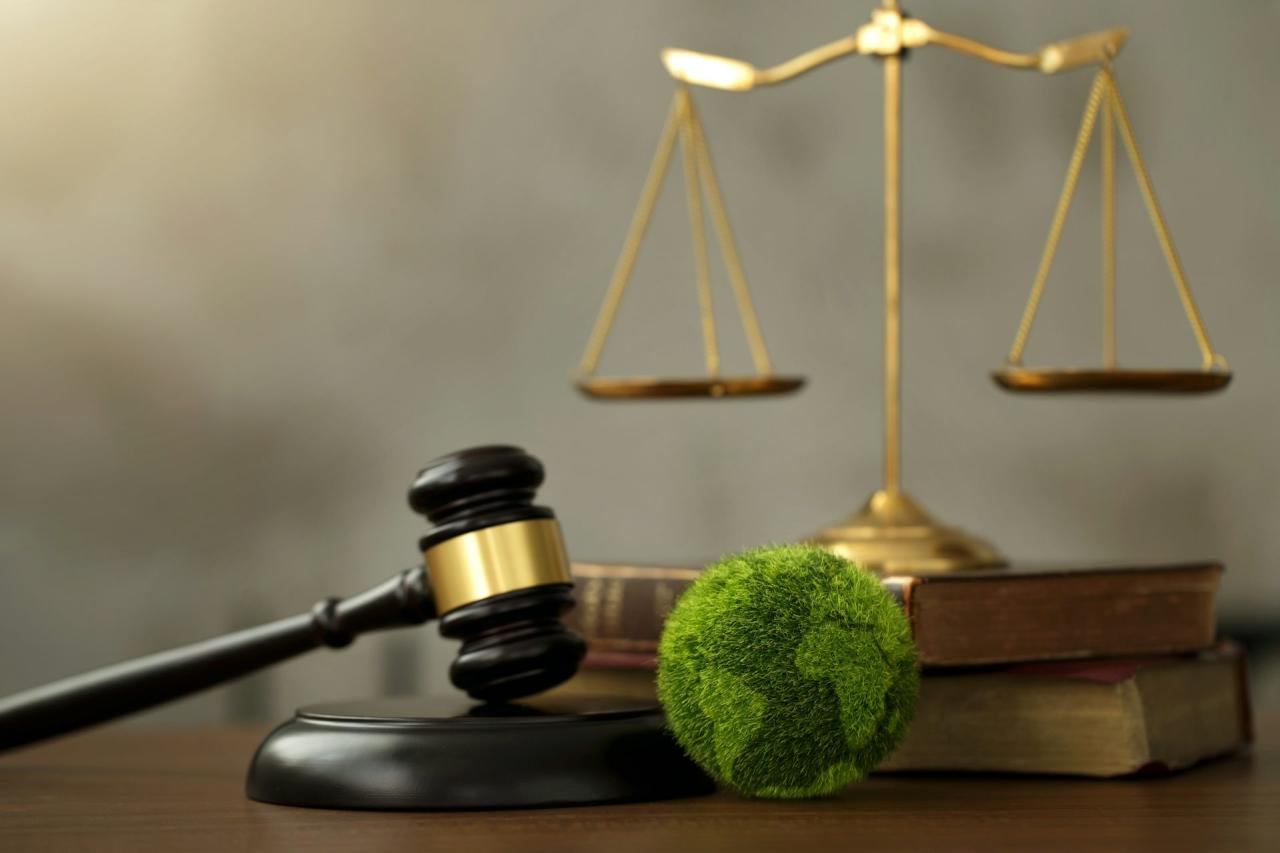
The decision to turn to the courts as a forum for climate action is born of frustration and a strategic realization. The traditional political approach, which relies on consensus, compromise, and voluntary pledges, has proven too slow and too often derailed by political agendas and powerful lobbying efforts.
The legal system, by contrast, operates on principles of evidence, responsibility, and justice. Lawyers and activists are arguing that the failures of governments to protect their citizens from the foreseeable harms of climate change, and the actions of corporations that have knowingly contributed to those harms, are not just moral failings; they are legal ones. They are arguing that a company’s failure to manage climate risk is a violation of its fiduciary duty, and that a government’s failure to protect its citizens from climate change is a violation of their fundamental human rights. This shift in strategy has created a new legal front, where the science of climate change is no longer just a matter of policy debate but a matter of evidence in a court of law.
Key Legal Theories Driving the New Wave
The new wave of climate litigation is being driven by a variety of creative and powerful legal theories, many of which are pushing the boundaries of existing law.
A. Human Rights-Based Litigation:
This is one of the most powerful and effective legal arguments being used today. Lawyers are arguing that a government’s failure to take adequate action on climate change is a violation of its citizens’ fundamental human rights, as enshrined in national constitutions and international human rights treaties.
- Right to Life and a Healthy Environment: Cases are being filed on the grounds that a government’s inaction on climate change violates its citizens’ right to life, health, and a healthy environment. The argument is that climate change is a direct threat to these rights, and that a government has a legal duty to protect its citizens from this threat.
- Future Generations: A number of lawsuits, particularly those filed by young people, are being brought on the grounds that a government’s failure to act on climate change is a violation of the rights of future generations to a safe and habitable planet. This is a novel legal theory that is gaining traction in courts around the world.
B. Holding Corporations Accountable:
While governments are a major target, a growing number of lawsuits are being filed against corporations, particularly fossil fuel companies, for their role in climate change.
- Public Nuisance: This is a classic legal theory that is being applied to the modern climate crisis. The argument is that a company’s carbon emissions are a form of “public nuisance” that causes harm to a community, and that the company should be held legally and financially responsible for that harm.
- Consumer Protection and Fraud: Lawsuits are being filed against companies for allegedly misleading the public about the environmental impact of their products or for making false claims about their commitment to sustainability. The argument is that these companies are “greenwashing” their products to deceive consumers and to maintain their profitability.
C. Fiduciary Duty and Shareholder Activism:
This is a new and increasingly important legal battlefront. Lawyers are arguing that a company’s board of directors has a legal fiduciary duty to manage climate-related risks, and that a failure to do so is a violation of that duty.
- Climate Risk: Climate change poses a number of financial risks to a company, from the risk of stranded assets (e.g., oil and gas reserves that cannot be burned) to the risk of physical damage to a company’s property from extreme weather events. Lawsuits are being filed by shareholders who are arguing that a company’s failure to manage these risks is a violation of their fiduciary duty.
D. The Public Trust Doctrine:
This is an ancient legal doctrine that is being repurposed for the climate crisis. The Public Trust Doctrine holds that a government has a legal duty to protect certain natural resources, such as air, water, and wildlife, for the public’s use and enjoyment. Activists are arguing that a government’s failure to take action on climate change is a violation of its duty to protect the atmosphere, a resource that belongs to all.
Landmark Case Studies and Verdicts

The legal theories of climate litigation are not just abstract ideas; they are being tested in courtrooms around the world, with landmark cases setting important precedents.
- The Urgenda Foundation Case (Netherlands): This 2015 case was a landmark legal victory for climate action. A group of citizens sued the Dutch government, arguing that its insufficient climate policies were a violation of its duty of care and its human rights obligations. The Dutch Supreme Court ultimately ruled in favor of the plaintiffs, ordering the government to reduce its emissions more aggressively. This verdict was a global sensation and has served as a powerful precedent for similar lawsuits around the world.
- The Juliana v. United States Case: This is one of the most famous and long-running climate cases in the U.S. A group of young plaintiffs sued the U.S. government, arguing that its fossil fuel policies were a violation of their constitutional rights to life, liberty, and property. While the case has faced significant legal challenges and has not yet gone to trial, it has served as a powerful symbol of the youth climate movement and has raised awareness of the legal arguments for climate action.
- The Shell Case (Netherlands): In a monumental 2021 verdict, a Dutch court ordered the oil giant Shell to reduce its carbon emissions by 45% by 2030, a ruling that applied not just to the company’s direct operations but also to the emissions from its customers. This verdict was a watershed moment in climate litigation, as it was the first time a company had been held legally responsible for its contribution to climate change.
- The Lawsuits in U.S. States: A growing number of U.S. states and cities, from California to New York, are filing lawsuits against fossil fuel companies, using legal theories like public nuisance and consumer protection to seek financial compensation for the damages caused by climate change. These lawsuits are still in the early stages, but they represent a significant legal threat to the fossil fuel industry.
The Global Legal Landscape
The new wave of climate litigation is a global phenomenon, with cases being filed in countries as diverse as Germany, Pakistan, and Brazil. The legal landscape is highly fragmented, with different legal systems and constitutional rights leading to different outcomes.
- Common Law vs. Civil Law: In countries with a common law system, such as the U.S. and the U.K., legal precedent is a key part of the legal system. A landmark verdict in one country can be used as a powerful precedent in another. In countries with a civil law system, the legal system is based on a set of codified laws, and the courts have less power to create new legal principles. This can make it more difficult to bring a climate lawsuit in a civil law country.
- The Role of National Constitutions: The success of a climate lawsuit often depends on a country’s constitution. In some countries, the constitution explicitly grants citizens the right to a healthy environment, which provides a powerful legal basis for a climate lawsuit.
Challenges and the Future of Climate Litigation
Despite the recent victories, climate litigation faces significant challenges. The legal battles are expensive, time-consuming, and require a high degree of scientific and legal expertise. A key challenge is causation—proving that a specific company’s emissions caused a specific harm, such as a hurricane or a flood. This is a difficult scientific and legal hurdle to overcome, but lawyers are using new forensic tools and data to link emissions to specific harms.
The future of climate litigation will likely be defined by a new level of collaboration between lawyers, scientists, and data experts. The use of new technologies, such as AI and machine learning, will make it easier to link emissions to specific harms and to prove a company’s knowledge of the risks of climate change. The legal battles will also extend to new areas, such as the responsibility of companies for the emissions of their suppliers and the liability of financial institutions that fund climate-damaging projects.
Conclusion
The new wave of climate litigation is a powerful and necessary response to the global climate crisis. It is a legal reckoning that is forcing governments and corporations to confront their responsibilities for a problem that they have long ignored. The legal battles are a reflection of a deeper societal debate about justice, responsibility, and the future of our planet. They are a sign that a new social contract is being forged, one that holds the powerful accountable for their actions and that recognizes that a healthy planet is a fundamental human right.
The legal victories that have been won so far are a testament to the power of the law as a tool for social change. They are a powerful signal to the world that the time for voluntary pledges and empty promises is over. The courts are now being asked to do what the politicians have failed to do: to enforce the laws of a world that is running out of time. The legal battles over climate change are a moral imperative, and their outcome will determine whether we can build a more sustainable and just world for generations to come. The law is not just a tool for settling disputes; it is a powerful instrument for shaping our collective destiny, and in the fight against climate change, it has never been more important.





Discussion about this post