


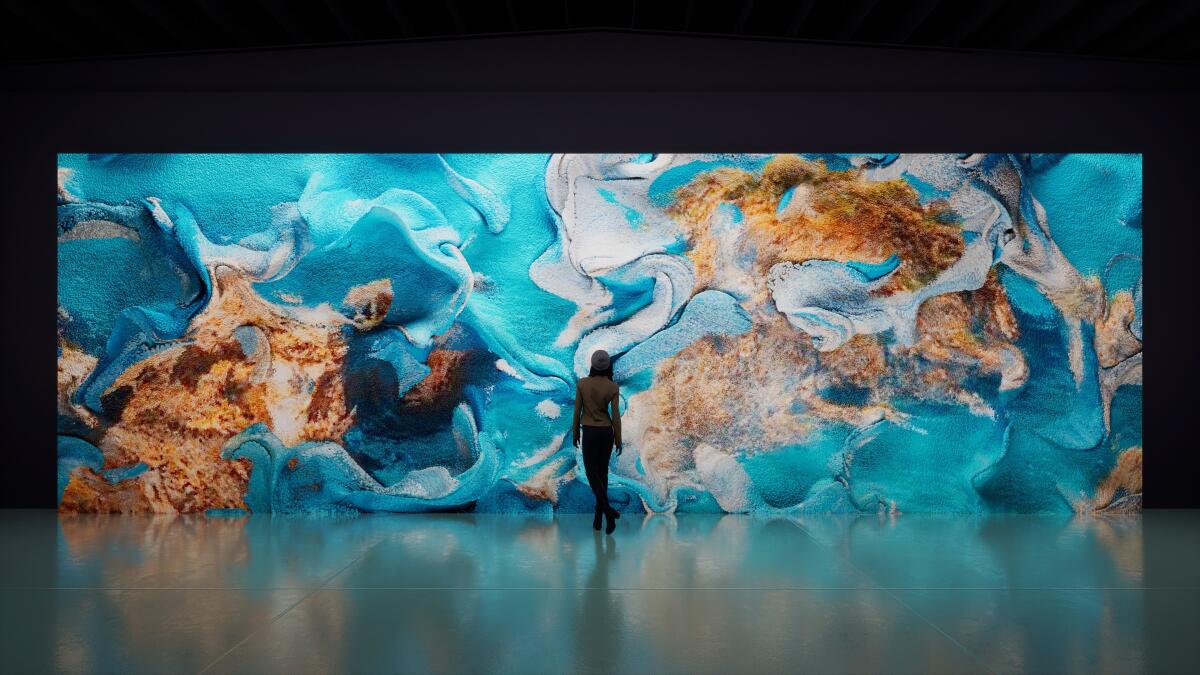
In a matter of months, the landscape of art and creativity has been fundamentally reshaped by the rise of generative artificial intelligence. Tools like Midjourney, DALL-E, and Stable Diffusion have democratized creation, allowing anyone to generate stunning, complex images with a simple text prompt. This technological revolution has sparked a new era of artistic expression, but it has also triggered a profound crisis for copyright law. The legal frameworks designed to protect human creativity are now being tested by the emergence of art created by machines, trained on a vast ocean of human-made works.
The legal questions at hand are not just complex; they are existential. Does a human have copyright in a work created by an AI? Can an AI be sued for infringement if its output resembles a pre-existing artwork? And, most fundamentally, is the act of training an AI model on millions of copyrighted images a form of infringement itself? These are the questions that define a new and urgent legal frontier, one that pits the principles of intellectual property against the relentless pace of algorithmic innovation. The outcome of this global legal battle will not only determine the future of AI art but will also redefine the very nature of authorship, ownership, and creativity in the digital age.
Human Creativity vs. Algorithmic Creation
The core of the legal debate lies in a single, foundational principle of copyright law: the requirement of human authorship. Copyright has historically been granted to works of original expression created by a human being. This principle, sometimes referred to as the “sweat of the brow” or “modicum of creativity” doctrine, has been a pillar of intellectual property law for centuries. The arrival of AI, however, challenges this bedrock principle in two distinct but related ways.
First, AI systems are not human. They are complex algorithms that generate content based on patterns and relationships they have learned from vast datasets. The legal system is now being forced to answer whether the work produced by these non-human entities is eligible for the same protections as a painting by a human artist or a novel by a human author. Second, even when a human provides the initial prompt, the creative heavy lifting—the composition, color palette, and style—is often carried out by the AI. This raises the question of whether a simple text prompt is enough to satisfy the “human authorship” requirement for copyright protection.
Major Legal Battlefronts
The clash between AI and copyright is not a theoretical debate; it is being fought on multiple legal fronts in courtrooms and regulatory offices around the world.
A. The Training Data Dilemma:
This is arguably the most significant legal battlefront. Generative AI models are trained on immense datasets of text, images, and other media, much of which is scraped from the public internet and includes billions of copyrighted works.
- Fair Use Argument: AI companies and their supporters argue that this training process constitutes fair use. They contend that the training is a “transformative” act, as the AI is not simply copying the works but learning from them to create a completely new model. They compare it to a human artist learning from and being inspired by the work of others.
- Mass Infringement Argument: Artists and copyright holders, on the other hand, argue that this is a case of mass infringement. They contend that the models are “ingesting” their copyrighted works without permission or compensation, and that the resulting model is a derivative work that infringes on their intellectual property rights. They argue that this process undermines the very purpose of copyright, which is to protect and incentivize human creativity.
B. Copyrightability of AI-Generated Works:
This battlefront focuses on the output of the AI. Can a human user claim copyright in a work that was created by a machine?
- U.S. Copyright Office Stance: The U.S. Copyright Office has been clear on this matter. It has repeatedly stated that a work must be the product of “human authorship” to be eligible for copyright registration. In a landmark decision, the office denied copyright protection for a comic book where the images were generated by an AI tool, ruling that the AI’s contribution was not the result of human creativity.
- The “Co-authorship” Question: This has led to a debate over whether a human and an AI can be considered “co-authors.” While a human may guide the AI with a text prompt, the AI itself makes millions of creative decisions that are opaque to the user. This raises the question of where human creativity ends and algorithmic creativity begins, a question with no clear legal answer.
C. Infringement by AI-Generated Output:
Even if a human cannot claim copyright on an AI-generated image, can that image infringe on the copyright of an existing work?
- Substantial Similarity: In traditional copyright law, infringement occurs when a new work is “substantially similar” to a protected work. Lawyers are now trying to apply this test to AI-generated images. If an AI generates an image that looks almost identical to a famous painting, is it an infringement? The challenge lies in proving that the AI’s resemblance is not a coincidence but a direct result of being trained on that specific work.
- Derivative Works: Another legal argument is that the AI models themselves are a form of “derivative work,” created by copying and transforming existing works. This is a complex legal theory that, if proven, could have massive implications for the entire AI industry.
D. The Role of the Prompt and the User:
A key part of the debate is the role of the human who provides the text prompt.
- Is a Prompt a Work of Authorship? The legal system is grappling with whether a short text prompt, such as “a medieval knight riding a horse in the style of Van Gogh,” constitutes a work of authorship in its own right. Most legal experts agree that a prompt alone is not enough to satisfy the requirements for copyright protection, as it lacks the necessary originality and creative expression.
- The User as an Infringer: This also raises the question of whether a user can be held liable for infringement if their prompt causes an AI to generate a work that infringes on an existing copyright. This creates a chain of potential liability that is difficult to untangle.
Case Studies and Regulatory Actions
The abstract legal principles of the AI art debate are being tested in real-world courts and regulatory bodies, with landmark decisions setting important precedents.
- U.S. Copyright Office Rulings: The U.S. Copyright Office has been a central player in this debate, having issued several key decisions. In one notable case, it granted a copyright registration for a comic book but only to the human author for the selection and arrangement of the AI-generated images, not for the images themselves. This affirmed the office’s stance that human creative input is a prerequisite for copyright.
- Lawsuits Against AI Companies: Artists and stock photo agencies have filed lawsuits against generative AI companies like Stability AI, Midjourney, and DeviantArt. These lawsuits allege that the companies infringed on their copyrights by training their AI models on their works without permission or compensation. The outcomes of these cases will have a monumental impact on the future of AI and copyright.
- International Stances: While the U.S. has been a focal point, other countries are also grappling with these issues. The European Union has proposed laws that would require AI developers to be transparent about the copyrighted works used in their training data, and some countries are exploring new legislative frameworks to address AI’s unique challenges.
Practical Implications for Artists and Creators
The legal turmoil surrounding AI art has created a new set of risks and opportunities for the creative community.
- Protecting Your Work: Artists are now faced with the challenge of protecting their work from being used as training data without their consent. Some AI companies have created opt-out mechanisms for artists, but this places the burden on the individual creator to protect their own work.
- Embracing AI as a Tool: While some artists see AI as a threat, others are embracing it as a powerful new tool. AI can be used to generate concepts, refine ideas, and create new forms of artistic expression. The future of art may involve a collaboration between human and machine, leading to new forms of copyright law that recognize this new mode of creation.
- New Licensing Models: The legal conflicts are forcing a discussion around new licensing models for AI training data. Instead of being scraped for free, copyrighted works could be licensed to AI developers for a fee, creating a new revenue stream for artists and a more ethical framework for the industry.
Conclusion
The legal battle over AI art and copyright is a necessary reckoning for a legal framework that was not designed for a world where machines can create. The challenges are formidable, from the complexities of applying traditional legal principles to a new technology to the philosophical questions about the very nature of creativity and authorship. The outcome of these legal battles will have a profound and lasting impact. They will determine whether the creators who build the digital world are fairly compensated for their work and whether we live in a future where creativity is a democratized and human-led endeavor.
This is not a debate that can be settled with a simple legal ruling. It will require a comprehensive approach that includes new legislation, ethical guidelines, and a collaborative effort between technologists, artists, and policymakers. The future of AI art is not about a single victor; it is about finding a way for human creativity and algorithmic power to coexist in a way that respects the principles of intellectual property while unlocking the immense potential of a new creative age. The laws we create now will shape not just the ownership of art but the very definition of what it means to be an artist in the 21st century.






Discussion about this post