


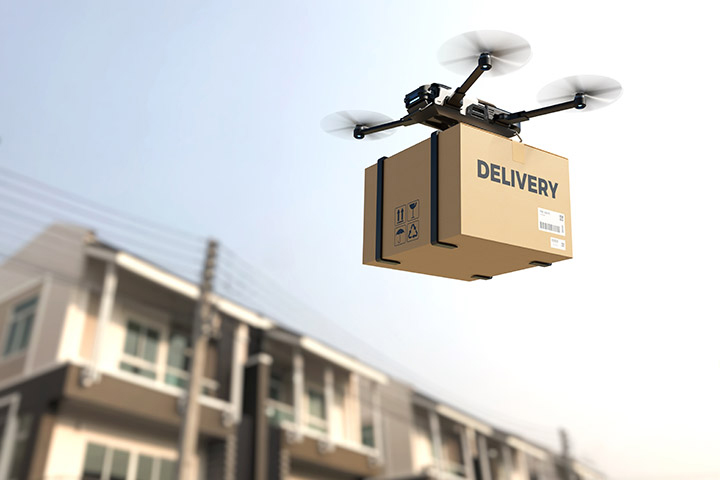
For decades, the idea of a package arriving at your doorstep via an autonomous flying drone was a futuristic fantasy confined to science fiction films. Today, it is a commercial reality, with major tech and logistics companies launching pilot programs to deliver everything from groceries and medical supplies to hot food. The promise is immense: a world of near-instantaneous, low-cost delivery that reduces traffic congestion and carbon emissions. However, as these machines take to the skies, a complex and unresolved legal challenge has emerged as the single greatest roadblock to widespread adoption: liability.
When an autonomous drone, flying through a crowded urban airspace, malfunctions and causes an accident, who is legally responsible? Is it the drone manufacturer, the software developer, the delivery company, or the person who programmed its flight path? This question, with its complex web of legal, ethical, and technical implications, is at the heart of a new legal frontier. The existing frameworks for product liability and aviation law were simply not designed for a world of autonomous, low-altitude flying robots. The outcome of the legal battles over drone liability will determine not only the speed of drone delivery’s adoption but also the balance of power between technological innovation and public safety. This article will provide a comprehensive guide to the promise and peril of drone delivery, explore the major legal and regulatory battlefronts, and outline the potential solutions that are emerging to build a legal framework for a more automated future.
The Promise and the Peril
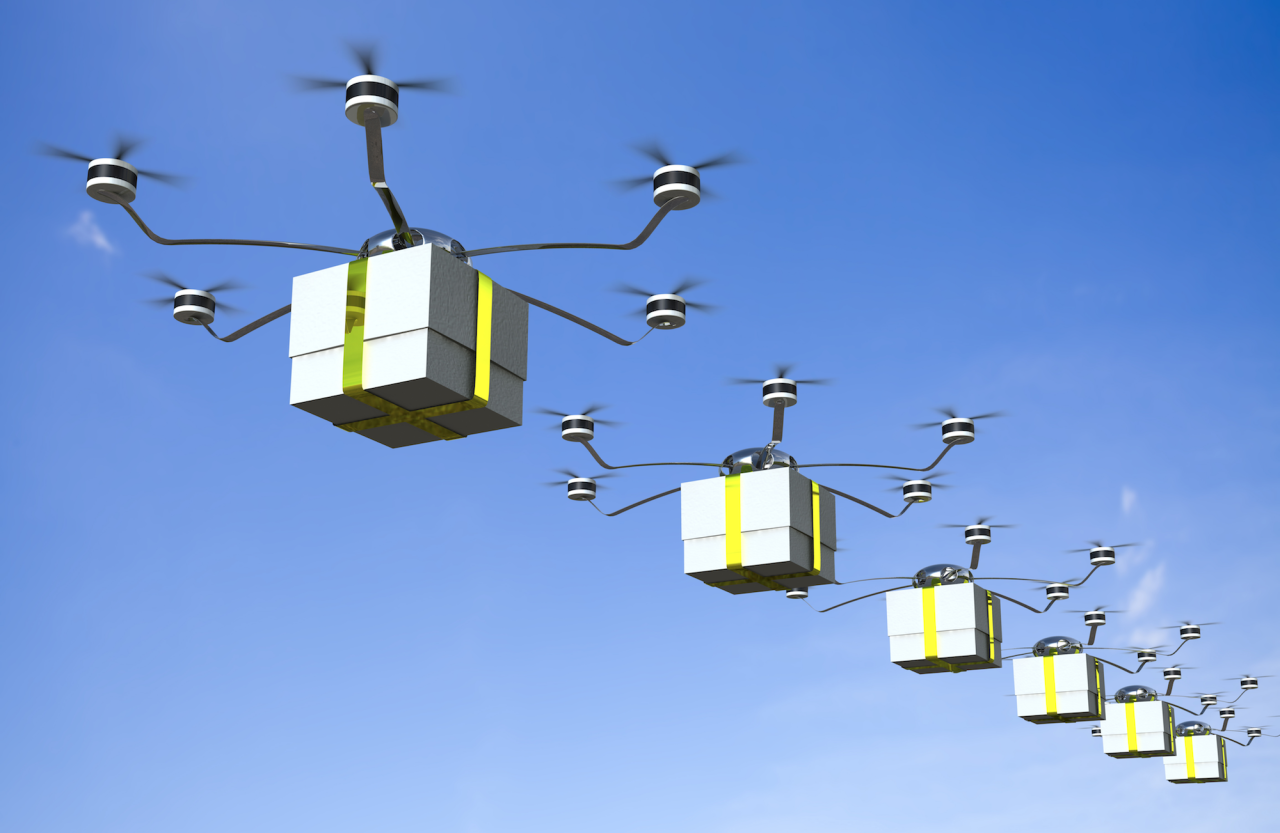
Drone delivery, at its core, is a simple concept: using unmanned aerial vehicles (UAVs) to transport goods. However, its implications for the global economy and urban life are transformative.
- The Promise: The benefits are clear. Drone delivery can be faster and more efficient than traditional ground-based delivery, particularly in dense urban areas or hard-to-reach rural locations. It can also be more environmentally friendly, as electric drones produce no tailpipe emissions. For businesses, it can reduce labor costs and streamline logistics.
- The Peril: The risks are equally clear. A drone, due to a mechanical failure, a software bug, or a loss of signal, could fall out of the sky and cause serious property damage or injury. The sheer number of drones that would be required to handle a significant portion of consumer delivery creates a new risk of mid-air collisions. Beyond physical risks, the use of camera-equipped drones raises serious privacy concerns, and the possibility of a drone being hacked and used for malicious purposes presents a new security threat.
The legal system must find a way to manage these risks while still allowing the technology to flourish.
Major Legal and Regulatory Battlefronts
The legal conflicts over drone delivery are unfolding on multiple fronts, from the regulation of airspace to the question of who is responsible when something goes wrong.
A. Liability for Accidents and Property Damage:
This is the most critical and unresolved issue. The existing legal frameworks for negligence and product liability are a poor fit for autonomous vehicles.
- Negligence: In a traditional accident, a lawsuit for negligence would focus on a human’s failure to act with reasonable care. In a drone accident, who is the negligent party? Is it the software developer who wrote the algorithm that caused the drone to malfunction? The flight operator who failed to monitor the drone’s trajectory? Or the company that manufactured the drone with a faulty component?
- Strict Liability: In some cases, product liability law imposes “strict liability,” holding a manufacturer responsible for harm caused by a defective product, regardless of negligence. This legal theory may be a good fit for a drone with a defective part, but it does not address the complexity of a software bug or a system failure caused by a third-party’s action.
B. Airspace Regulation and Jurisdiction:
The skies above our cities are a complex legal and regulatory environment. Who owns the low-altitude airspace that drones will occupy, and who has the right to regulate it?
- National and Local Regulation: In the U.S., the Federal Aviation Administration (FAA) has been the primary regulator of drone airspace. It has issued rules on drone registration, pilot certification, and flight over people. However, local and state governments are also trying to pass their own laws on drone use, creating a patchwork of conflicting regulations that makes it difficult for a national delivery company to operate.
- Airspace Property Rights: A legal battle is also brewing over who has the right to the airspace above private property. Does a property owner have the right to shoot down a drone that is flying over their home? The legal principle of “ad coelum” (from the heavens to the center of the earth) is being challenged by a new reality where the sky is no longer an empty void.
C. Privacy and Surveillance Concerns:
Almost all delivery drones are equipped with cameras for navigation and safety, which raises significant privacy concerns.
- Data Collection and Storage: Who owns the data collected by a drone flying over a neighborhood? The company? The individual whose property it is flying over? And how is that data stored and protected from hackers? There is a growing need for new legal frameworks that govern the collection, use, and storage of data collected by commercial drones.
- Public and Private Property: The legal debate over privacy is focused on the distinction between public and private property. While flying a drone over a public street may be legal, flying it over a private backyard may be a violation of a person’s expectation of privacy.
D. Cybersecurity and Hacking:
A drone is a computer with wings, making it a prime target for hackers.
- Liability for a Hacked Drone: If a drone is hacked and used for malicious purposes—such as dropping a package in the wrong place or delivering a payload to a target—who is legally responsible? The company that owned the drone, or the hacker? And if the hacker is a state-sponsored actor in a foreign country, what legal recourse is available? This legal battlefront is a significant one that requires new international legal frameworks.
E. Consumer Protection and Product Liability:
Even if a drone safely delivers a package, what happens if the product inside is damaged due to a malfunction during transit?
- Product Liability: The legal principles of product liability will apply here, but the question of who is responsible is complex. The legal responsibility could fall on the drone manufacturer, the delivery company, or the sender of the package. The outcome will depend on the terms of the delivery contract and the cause of the malfunction.
Global Regulatory Approaches
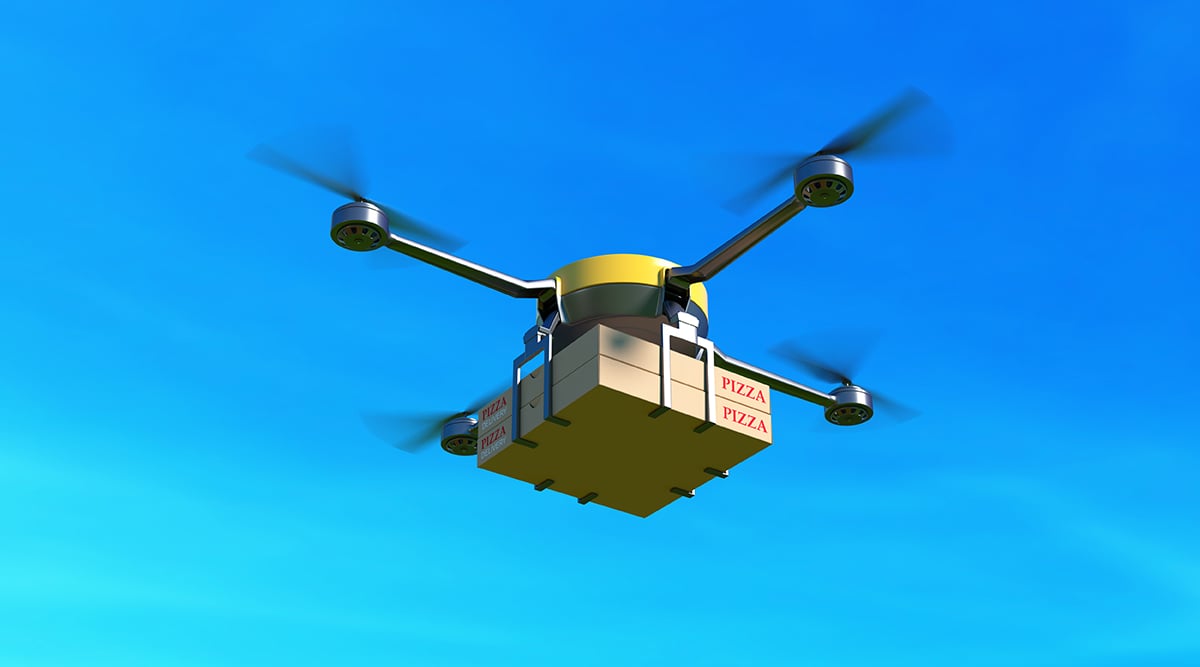
The legal challenges of drone delivery are being addressed in a number of different ways around the world, with some countries taking a more centralized and proactive approach.
- The U.S. Federal Aviation Administration (FAA): The FAA is the primary regulator of drones in the U.S. It has issued a number of key rules, including the requirement for commercial drones to have a Remote ID, a digital license plate that allows law enforcement and the FAA to track them in the air. The FAA has also created a framework for beyond-visual-line-of-sight (BVLOS) operations, a crucial step for commercial delivery.
- The European Union’s Uniform Regulations: The EU has taken a more centralized approach, with a new regulatory framework that creates a uniform set of rules for all member states. This framework categorizes drones by risk level and imposes different levels of regulation based on the risk they pose. This is designed to create a single, harmonized market for drone delivery and to simplify compliance for businesses.
- China’s State-Driven Approach: China is a global leader in drone technology and has taken a more top-down, state-driven approach to regulation. The government has created a highly centralized air traffic management system for drones, which is designed to ensure safety and to support the rapid scaling of drone delivery.
The Future of Drone Delivery Law
The future of drone delivery hinges on our ability to create a legal framework that can manage the risks without stifling the innovation. The solutions will likely come from a combination of new laws, new technologies, and new business models.
- A New Legal Classification for Drones: The legal system may need to create a new legal classification for drones that is different from a traditional aircraft or a motor vehicle. This new classification would have its own set of rules for liability, insurance, and regulation.
- The Role of Insurance: The insurance industry will play a critical role in underwriting the risk of drone delivery. A comprehensive legal framework for insurance will be needed to ensure that victims of accidents are compensated for their injuries and property damage.
- International Cooperation: The global nature of drone technology requires a new level of international cooperation. A new international legal framework for drone delivery will be needed to ensure that a drone that is legal in one country is not a security risk in another.
Conclusion
The legal questions surrounding drone delivery are a reflection of a deeper societal reckoning over the balance between technological innovation and public safety. The future of a more efficient, sustainable, and automated world depends on our ability to navigate this legal frontier with foresight and wisdom. The legal battles that are unfolding today are not just about a few dollars in a lawsuit; they are about the fundamental principles of a more automated future.
The most successful outcome would be a legal framework that provides clear rules for liability, ensures a safe and transparent airspace, and protects individual privacy, all while allowing the technology to flourish. The businesses that lead this charge, investing in safety and compliance, will be the ones that win the trust of consumers and gain a competitive advantage in a new market. The law must adapt to the technology, but it must do so in a way that protects the public. The future of drone delivery is here, and it is our collective responsibility to ensure that its legal foundation is as robust as its technological promise.










Discussion about this post